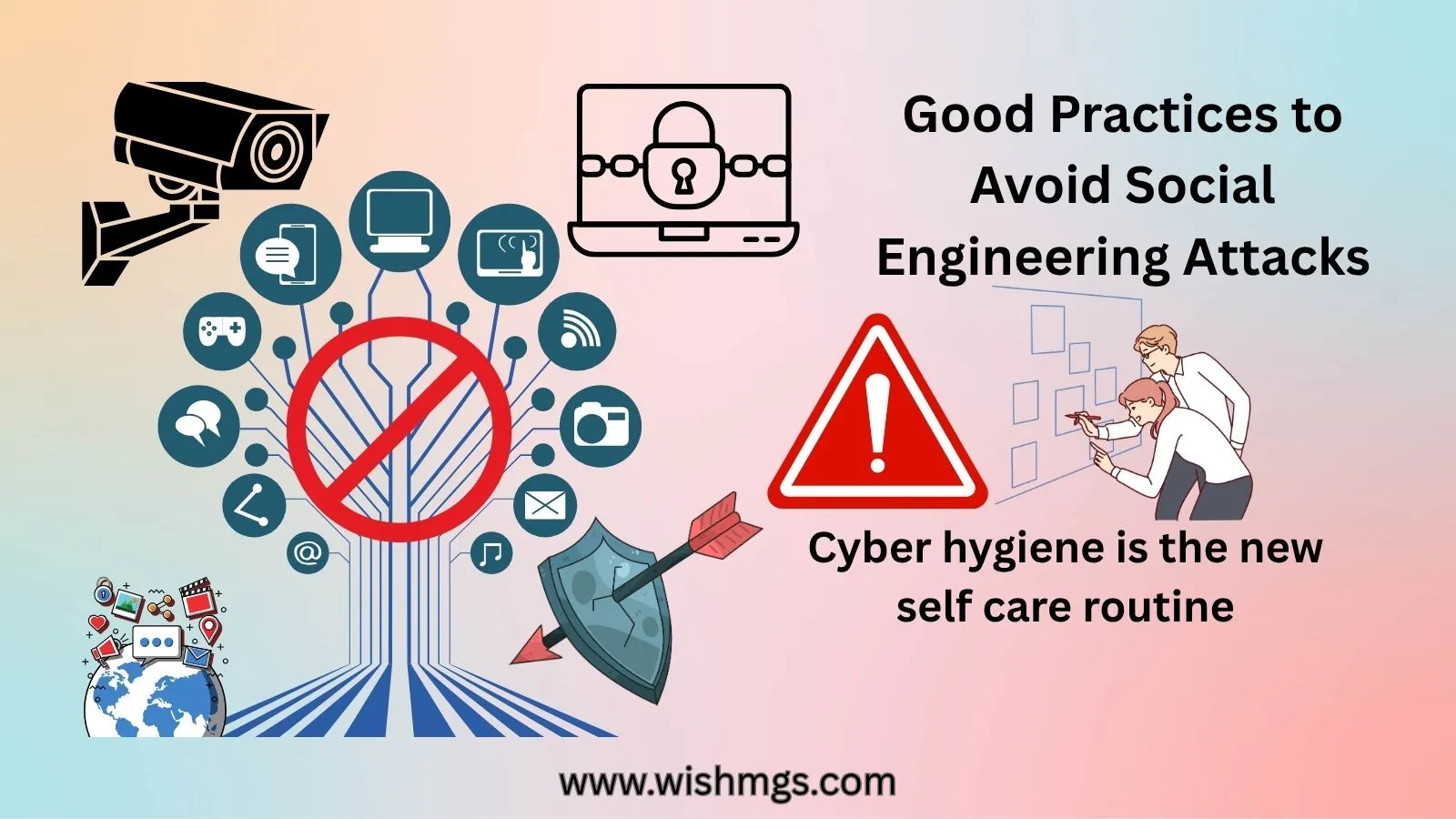
Learning good practices to avoid social engineering attacks helps you stay safe from online scams. Always verify emails and messages it’s one of the smartest good practices to avoid social engineering attacks. Never share personal details with strangers; this is a core part of good practices to avoid social engineering attacks. Stay alert to suspicious links and fake websites by following good practices to avoid social engineering attacks daily. Using strong passwords and two-factor authentication are simple good practices to avoid social engineering attacks that protect your identity. Finally, educate your friends and colleagues spreading good practices to avoid social engineering attacks keeps everyone secure.
Smart Habits That Stop Social Engineering Tricks
Building smart online habits helps you recognize and avoid manipulation based cyber attacks. These witty lines remind you that awareness and laughter make great firewalls.
• My password told me it was tired of being guessed. I told it to rest in encryption.
• My firewall blocks more drama than my phone.
• I joined a cybersecurity club entry denied to hackers.
• Phishers hate me. I use logic as bait.
• My antivirus said it needs therapy with too many toxic attachments.
• Every click I make has consequences. My index finger knows responsibility.
• My computer’s trust issues are my favorite feature.
• Hackers love attention. I love ignoring them.
• I put sarcasm in my emails so scammers get confused.
• My inbox is like a clean fridge, no spam allowed.
• MFA is my love language. Verification keeps it strong.
• I take my updates seriously. That’s how I age gracefully online.
• I don’t open strange emails. I ghost them instead.
• Cyber hygiene is the new self care routine.
Cyber Awareness Begins With Education And Humor
Cybersecurity awareness training saves people from traps before they click. These jokes make learning easier and help employees remember every safety tip.
• I once clicked a fake link and now I triple check everything, even my sandwich order.
• My training session said, “Trust no one.” I started side eyeing my toaster.
• Awareness is like an antivirus for the brain.
• Our IT trainer uses memes to teach. Best lesson ever.
• My coworker clicked a fake invoice. Now we call him “Invoice Invader.”
• Security education is contagious like good humor.
• My new skill? Detecting fake messages faster than coffee kicks in.
• Awareness made me paranoid in a productive way.
• The IT guy said I’m too alert. I said, “That’s called survival.”
• I told my manager cybersecurity training is like gym class for the mind.
• Phishing tests keep me humble and alert.
• My awareness report card says “phish-proof.”
Passwords, Privacy, And Phishing-Free Living
Passwords protect everything from your identity to your sanity. These puns show that a little humor keeps those digits strong and smart.
• My password is stronger than my coffee.
• I rotate passwords like tires for safety.
• I once reused a password. My computer called me lazy.
• My favorite exercise? Password resets.
• Hackers hate me. My password makes them cry.
• I treat passwords like secrets even my mirror doesn’t know.
• Privacy feels good like logging off after a long day.
• My favorite hobby? Ignoring suspicious attachments.
• I love password managers. They remember what I happily forget.
• My MFA code is my daily surprise.
• I said no to autofill. It felt empowering.
• I named my Wi-Fi “KeepOutHackers.” Confidence level: high.
• Strong passwords build stronger confidence.
• My login screen is the gatekeeper of peace.
Recognizing Tricks Behind Phishing And Fake Calls
Spotting scams early prevents headaches later. These jokes will help you identify red flags before you even open that suspicious message.
• The phishing email said I won a car. I replied, “I can’t drive your scam.”
• I once got a call from “Tech Support.” I asked for proof. Silence won.
• Scammers love panic. •
• The email said “urgent.” I said “delete.”
• My phone screen says “scam likely.” I call it “intuition mode.”
• I once trolled a scammer with fake MFA codes. It felt therapeutic.
• Spotting a phishing scam is my daily cardio.
• Every suspicious text goes straight to the trash gym.
• Scammers hate patience. I love verifying.
• Fake websites can’t fool my browser, it’s seen worse.
• I learned to say no faster than a scammer can say “free prize.”
• My spam filter deserves an award for comedy and defense.
Security-First Thinking For Safer Workplaces
A zero-trust mindset protects businesses from human based cyber attacks. These puns highlight how security first culture keeps every click safe.
• My office coffee machine now needs a password. That’s true protection.
• Trust but verify? I prefer “verify first, trust later.”
• Our security meetings start with jokes and end with stronger firewalls.
• My IT team’s motto is laughter and layered protection.
• My password at work changes faster than office gossip.
• Zero-trust makes us sound suspicious but keeps us safe.
• Our cybersecurity team loves puns and keeps morale encrypted.
• I once forgot my login. Even hackers gave up waiting.
• Reporting suspicious activity is my cardio at work.
• Insider threat mitigation means no gossip about passwords.
• Security is serious, but our humor keeps it light.
• My manager says I overthink emails. I call it “defensive reading.”
• Our workplace has an MFA. We call it “More Fun Assurance.”
• Every employee is part of the firewall family.
Protecting Personal Data With Awareness
Keeping personal data private builds digital confidence. These jokes encourage everyone to care for data like it’s a prized secret.
• My data loves privacy more than my diary does.
• Encryption is just self care for information.
• Every file I save is like a tiny treasure in a vault.
• I trust no link unless it passes my vibe check.
• The cloud stores my secrets, not my judgment.
• My phone locks itself when bored. Responsible device.
• Sharing less online makes me mysterious and safe.
• My data wears armor made of encryption keys.
• I use VPNs like sunglasses, privacy and style in one.
• My personal data deserves VIP treatment.
• I treat every login as a handshake firm and verified.
• The only sharing I do online involves jokes.
• Data protection feels like digital peace.
Tools That Keep Hackers Guessing
Network monitoring tools and security software create real-time defense. These jokes celebrate how smart tech helps us stay carefree online.
• My antivirus is my best friend, loyal and watchful.
• Firewalls are my silent heroes.
• I run scans like I run errands regularly and efficiently.
• Hackers hate updates. I love pressing “restart.”
• Network monitoring is like gossiping for a good cause.
• My security system’s favorite word? “Blocked.”
• Threat intelligence is my daily read, thrilling and safe.
• My router’s new name? Guardian of the Galaxy.
• Ransomware prevention is my weekend hobby.
• My system logs deserve applause; they never miss a detail.
• My favorite alert says, “Threat detected, threat removed.”
• Tools that defend are tools worth loving.
How Humor Helps Build Cyber Resilience
Laughter improves memory, and humor makes security lessons stick. These jokes make cyber defense easy to remember and fun to share.
• My humor is like encryption; only smart minds decode it.
• Laughter keeps stress down and awareness up.
• I turn every security mishap into a punchline and a lesson.
• Resilience is learning to smile at a blocked threat.
• I laugh at phishing attempts, it’s free entertainment.
• Humor breaks fear, not security.
• Sharing jokes builds stronger, safer networks.
• I treat each cyber threat like a plot twist in a sitcom.
• Every security breach meme deserves an award.
• Humor keeps our awareness alive.
• My best defense? Smiles and security patches.
• The internet is wild. Laughter tames it.
• Laughing through learning keeps data safe.
Stay Alert, Report Smart, And Stay Secure
Reporting suspicious incidents prevents future attacks. These puns motivate users to act responsibly and have fun while doing it.
• My favorite button? Report Phishing.
• Suspicious emails are like bad jokes and delete them fast.
• I once reported a spammer. It felt like saving the world.
• My inbox has zero tolerance for nonsense.
• Reporting scams is my superhero move.
• Every flagged email feels like a victory dance.
• I teach friends how to report sharing awareness is power.
• My spam filter deserves a raise.
• Alertness is my hidden superpower.
• Reporting bad links feels satisfying and secure.
• Suspicion is healthy online.
• I keep my guard up and my humor ready.
• My brain is the best firewall ever made.
• Staying alert means staying free from traps.
• Every report helps make the web safer.
Keeping Digital Confidence Through Cyber Hygiene
Good cyber hygiene keeps your online life fresh, safe, and confident. These jokes show how simple habits create lasting protection.
• I wash my hands and clear my cache daily.
• Clean devices, clean conscience.
• My digital hygiene routine is stronger than my skincare one.
• Updates are vitamins for computers.
• I delete cookies like calories.
• Cyber hygiene keeps stress low and safety high.
• I back up files before I back up life plans.
• My device feels lighter after every cleanup.
• Safe browsing feels like fresh air.
• I run system scans for peace of mind.
• The best glow-up is a secured device.
• Cyber hygiene where safety meets satisfaction.
• My storage smiles after every cleanup.
• I love updates; they’re like spa days for devices.
• Good hygiene online is the ultimate self-love.
Laugh, Learn, And Lead A Safer Digital Life
Combining humor and awareness turns cybersecurity into a lifestyle. These puns remind everyone that prevention is powerful and fun.
• I secure my data like I secure my snacks.
• I teach security with smiles. It works better.
• Every funny pun hides a smart reminder.
• My safety tips come with punchlines.
• Humor makes security human.
• Laughing builds lasting awareness.
• Cyber resilience begins with cheerful confidence.
• I share jokes, not passwords.
• Humor connects us safely.
• I enjoy protecting and joking in equal measure.
• My laughter echoes through secure servers.
• Smart humor beats smart hackers.
• Safe, smart, and smiling is the best online combo.
Conclusion
Social engineering prevention is serious, but it doesn’t have to be dull. With laughter, awareness, and small habits, anyone can protect personal data and enjoy a safer digital life. Keep smiling, keep sharing, and keep your security game strong one pun at a time.

I’m George Witcraft, a writer who loves creating heartfelt wishes and meaningful messages. I enjoy helping people express their emotions through warm and thoughtful words. Writing about love, joy, and celebration inspires me every day. Through my articles, I hope to spread positivity and make every moment more special.